Before You Book That Farm-to-Table Hotel Restaurant, Ask These Five Questions
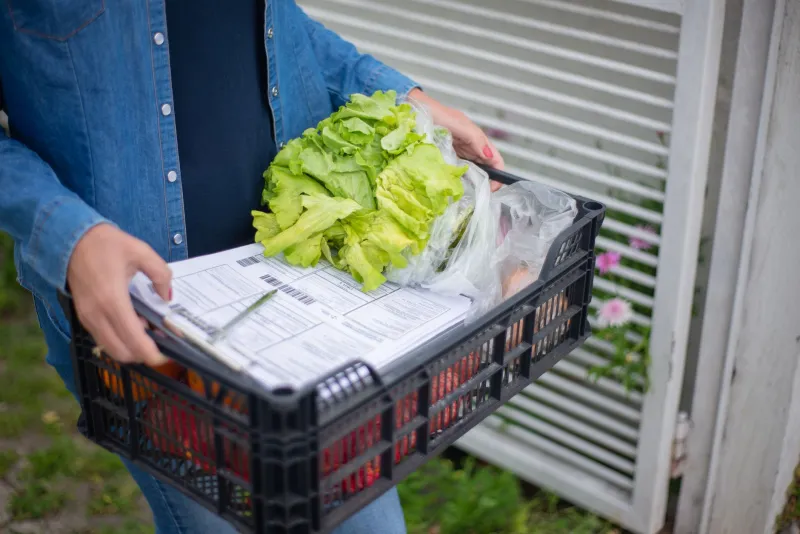
Few marketing phrases have traveled further from their origins than "farm-to-table." What began two decades ago as a specific commitment — menus built around nearby farms, seasons, and named producers — has softened into generic menu decoration. Nowhere is the dilution more common than at hotel restaurants, where "locally inspired" can describe anything from a genuine partnership with a farm twelve miles away to a frozen berry blend with a rustic label.
The good news: real farm-to-table operations are easy to identify once you know what to look for. Ask these five questions, and the genuine article will reveal itself quickly.
1. Does the Menu Actually Change?
True seasonal sourcing has an unavoidable consequence: the menu cannot stay the same. If a hotel restaurant's website shows the same beet salad in October that it featured in May, the harvest is decorative, not foundational. Genuine operations rewrite menus — sometimes weekly — around what their suppliers can actually pick. Look for dated menus or seasonal menus with specific start and end dates.
2. Are the Suppliers Named?
This is the single most reliable test. A restaurant proud of its sourcing names its partners: the dairy in the next county, the oyster farm on the coast, the orchard up the road. Vague language — "local ingredients when possible," "sourced responsibly" — is the hallmark of local-washing. If you can read the menu and learn the names of actual farms, you're likely in honest hands.
3. Can the Staff Speak to Sourcing Without a Script?
Ask your server where the pork comes from. In a genuinely sourced kitchen, the answer is specific, unhesitating, and often personal — the chef visited the farm, the supplier delivers on Tuesdays. Staff at authentic operations are briefed on sourcing because it's part of the story they genuinely tell. Hesitation, vagueness, or a quick pivot to a recommendation is a quiet red flag.
4. Does the Region Make Sense?
"Local" in Vermont and "local" in Arizona mean very different things. A credible hotel restaurant's sourcing matches its geography — Great Lakes fish in Michigan, stone fruit in Georgia, shellfish in the Pacific Northwest. Be skeptical when a landlocked property prominently features "fresh local seafood," or when the local claim covers everything on the plate, including items no nearby farm could plausibly grow year-round.
5. Do the Prices and Portions Reflect the Claim?
Honest sourcing costs money, and honest menus show it. If every entrée is priced like a chain restaurant while the marketing claims artisanal suppliers, something doesn't add up. Conversely, reasonable premiums paired with transparency — supplier names on the menu, seasonal notes from the chef — suggest the claim and the economics are aligned.
A Final Word for Travelers
None of this means a hotel restaurant without a farm partnership can't be excellent. But if a property is asking you to book a stay around its dining philosophy, that philosophy should withstand five minutes of scrutiny. The best operations welcome the questions — because the answers are the reason they opened the kitchen in the first place.