Arrival Day Is Not a Warm-Up: The Case for Protecting Your First 24 Hours

There is a particular kind of optimism that overtakes American travelers the moment they step off a long flight. The itinerary is printed. The reservations are confirmed. And so, despite eight hours in a middle seat and a three-hour time change, we declare the day open for business.
Hospitality professionals know better. Across the industry, a quiet consensus has formed around a truth most guests learn too late: the first day is not a prologue to the trip. It is the foundation. Spend it badly, and you spend the next four days recovering from a vacation you never actually enjoyed.
The Science of a Wasted First Day
Circadian researchers have long noted that travel fatigue is not merely tiredness — it is a temporary desynchronization of the body's internal clock, and it cannot be willed away. Dehydration compounds it; cabin air is notoriously dry, and most passengers drink far less water than they need. Add the cognitive load of navigating an unfamiliar airport or highway, and the brain arrives at the hotel in a state closer to stress than anticipation.
What happens next is predictable. The guest pushes through, books a dinner they're too exhausted to enjoy, and wakes the next morning foggy and irritable. By day three, they're behind on sleep, behind on the itinerary, and quietly resenting both.
How Thoughtful Properties Redesign the Check-In Day
The most attentive boutique hotels have responded not with gimmicks but with structure. Early check-in when rooms allow. A light welcome plate rather than a heavy restaurant upsell. Staff trained to ask not "What are your dinner plans?" but "How long was your journey?" — a question that signals the property understands where you actually are, physically, right now.
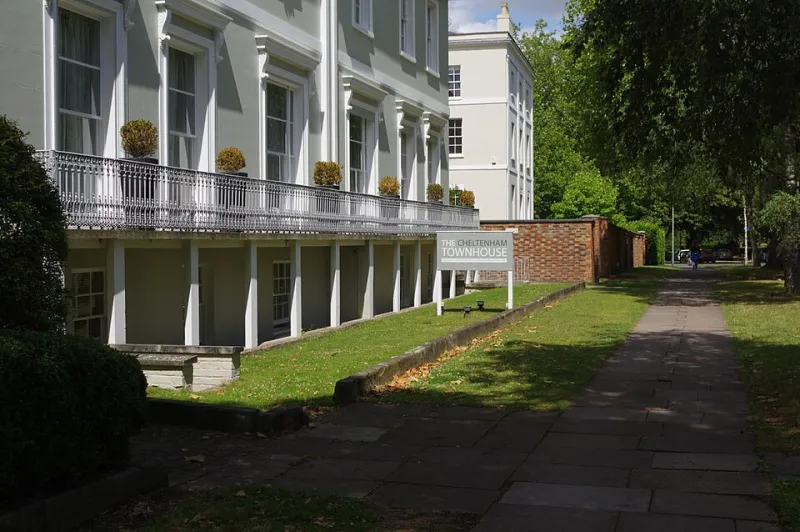
Some properties go further: suggested walking routes through the immediate neighborhood, deliberately short, designed to orient rather than exhaust. The goal is what one might call gentle orientation — enough movement and daylight to help the body recalibrate, without demanding performance from a guest who hasn't slept.
A Practical Framework for Your Own Arrival
You don't need a hotel to enforce this discipline. You can build it yourself:
- Protect the first night's sleep above all else. No late dinners, no one-more-drink. Book nothing for the evening you land.
- Hydrate before you feel thirsty. Start on the plane and continue through the afternoon.
- Take one short walk in daylight. Twenty minutes in natural light does more for a shifted body clock than any nap.
- Orient, don't conquer. Learn where the coffee shop, the corner market, and the hotel front desk are. Save the landmarks for tomorrow.
- Eat early and lightly. Your digestion is as jet-lagged as the rest of you.
The Return on Restraint
Travelers who guard their arrival day report the same thing in different words: the trip felt longer. Not because more was packed in, but because more was actually present for. A well-spent first day is invisible in the moment and unmistakable in retrospect.
The next time you land somewhere new, resist the urge to prove something. The city will still be there tomorrow — and you'll finally be there too.