The Living Room Effect: How Boutique Hotels Are Designing Common Spaces That Actually Bring People Together
For most of the twentieth century, the hotel lobby served a single, functional purpose: it was the place you passed through on your way somewhere else. You checked in, collected your key, and retreated to the privacy of your room, emerging only to collect a newspaper or catch a shuttle to the airport. The lobby was a waiting room dressed up with chandeliers.
Something has shifted. Walk into a thoughtfully designed boutique hotel today, and the common spaces feel entirely different — not like waiting rooms, but like living rooms. And that distinction, seemingly small, is quietly reshaping what American travelers expect from a stay.
The Architecture of Belonging
Designers and hospitality professionals have long understood that physical space shapes human behavior in powerful ways. The arrangement of furniture, the quality of lighting, the acoustic properties of a room, the presence or absence of natural materials — all of these elements communicate, wordlessly, whether a space is meant for passing through or lingering in.
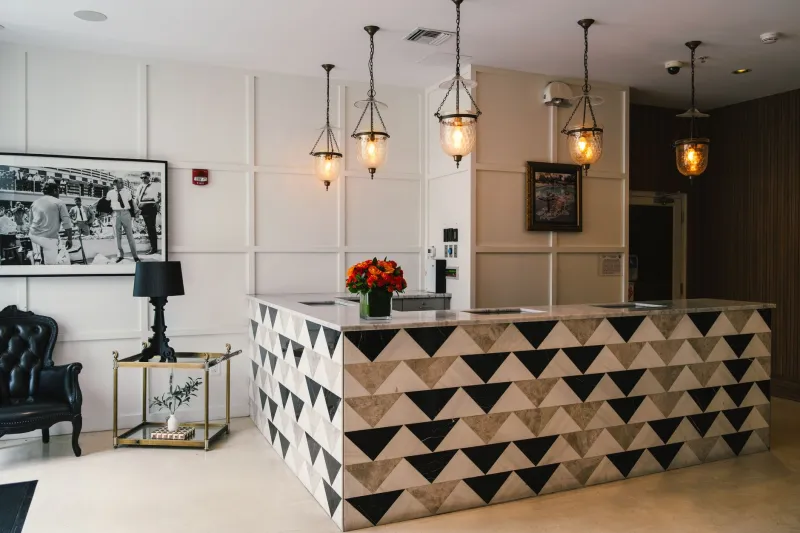
Boutique hotels that prioritize community connection have begun applying this understanding with considerable sophistication. Rather than positioning seating in the parallel rows that signal waiting, they arrange it in loose clusters that invite conversation. Rather than lighting lobbies with the flat fluorescence of efficiency, they use warm, layered illumination that makes faces look welcoming rather than tired. Rather than filling shelves with decorative objects, they stock them with actual books, local maps, and games — items that provide natural pretexts for interaction.
The effect is cumulative and powerful. Guests who might otherwise spend an entire stay in solitary transit find themselves pausing, settling, and — occasionally — talking to the stranger sitting across from them.
What the Data Tells Us About American Loneliness
The timing of this design shift is not coincidental. The United States Surgeon General issued an advisory in 2023 declaring loneliness a public health epidemic, noting that nearly half of American adults reported measurable feelings of isolation. Social scientists have documented a dramatic decline in what they call "third places" — spaces outside of home and work where informal community naturally forms — as malls have closed, neighborhood bars have dwindled, and digital communication has increasingly substituted for physical presence.
Travel, for many Americans, has become one of the few remaining contexts in which they encounter strangers in a spirit of openness. The anonymity of being away from home, combined with the shared experience of exploration, creates a social receptivity that is genuinely rare in contemporary American life. Boutique hotels that understand this are not simply offering amenities; they are offering an antidote.
Spaces That Work: A Closer Look
The most effective communal spaces in boutique hospitality share several characteristics worth examining individually.
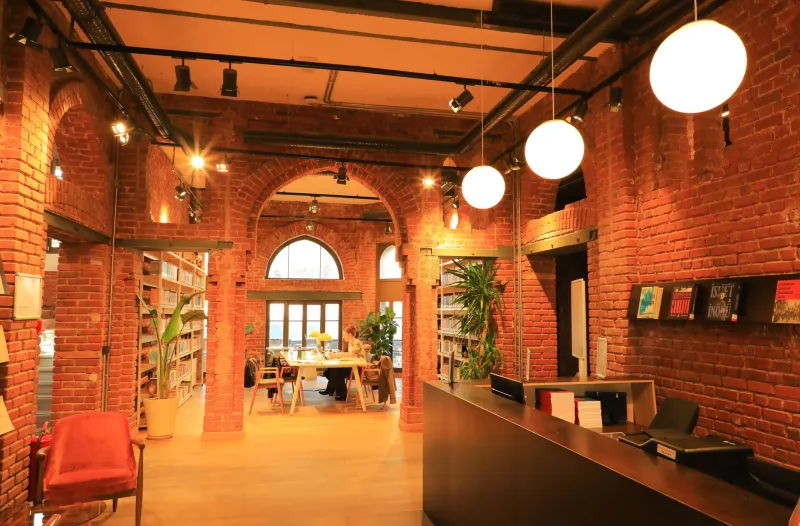
Shared libraries and reading rooms remain among the most reliably successful. Books are simultaneously personal and universal — a shelf of carefully chosen volumes communicates something specific about a hotel's identity while providing guests with a ready-made conversation starter. "Have you read this?" is one of the oldest and most reliable openings in human social interaction.
Communal dining tables represent a more deliberate form of connection. A number of boutique hotels have moved away from individual two-tops in their breakfast spaces, replacing them with long farm tables where guests eat alongside one another. The practice requires a certain willingness from guests, but for those who engage, the conversations that emerge over shared food are frequently the most memorable parts of a stay.
Courtyards and garden spaces offer something different again: the possibility of togetherness without obligation. A guest can sit in an open courtyard, enjoy the ambient presence of other people, and choose whether or not to engage. This kind of semi-social space — neither the isolation of a private room nor the commitment of a group activity — is particularly well-suited to the American traveler who craves connection but values autonomy.
Staff-integrated common areas deserve special mention. In the most successful boutique hotels, the boundary between staff and guest is deliberately permeable in common spaces. A team member might sit briefly at a communal table during a quiet moment, or join a conversation about local restaurant recommendations in a way that feels natural rather than performative. This integration communicates a fundamental equality of humanity that is central to the best hospitality philosophies.
The Role of Programming
Physical design alone cannot create community; it can only create the conditions for it. The boutique hotels that most effectively foster genuine connection supplement thoughtful spaces with intentional programming.
This might take the form of a weekly communal dinner where guests who opt in share a meal prepared from local ingredients. It might be a morning yoga session in a courtyard, a guided neighborhood walk led by a staff member who grew up in the area, or an evening lecture by a local artist or historian. None of these activities require participation, but all of them offer guests a structured opportunity to move from proximity to connection.
The key distinction between programming that works and programming that feels forced lies in authenticity. Guests are sophisticated enough to recognize when an activity has been designed primarily as a marketing differentiator versus when it reflects a genuine investment in their experience. The former produces polite attendance; the latter produces the kind of spontaneous, extended conversations that guests recount to friends for months afterward.
What This Means for the Way We Travel
There is a broader cultural argument embedded in the boutique hotel industry's turn toward communal space. It represents a quiet rejection of the privatization of experience that has characterized American consumer culture for decades — the assumption that more space, more privacy, and more personal control always equals more satisfaction.
For a growing number of travelers, the opposite is proving true. The most memorable stays are not those spent in the largest rooms with the most impressive amenities, but those in which something unexpected and human occurred in a shared space — a conversation that opened a new perspective, a recommendation that led to an unforgettable afternoon, a moment of laughter with a stranger that briefly dissolved the sense of being alone in the world.
Boutique hotels that have understood this are not simply offering better lobbies. They are offering a different vision of what travel is for.