Putting the Phone Down Without Panic: What Boutique Hotels Understand About the Modern Need to Unplug
There is a particular kind of exhaustion that no amount of sleep seems to cure. It accumulates in the margins of the day — during the thirty seconds you spend checking your phone before your feet touch the floor in the morning, during the reflexive scroll that fills the pause between bites at dinner, during the late-night notifications that arrive like uninvited guests. Americans are, by nearly every measure, among the most digitally saturated people on earth. And yet, for all the conversation about screen time and mindfulness, the idea of voluntarily going offline — even on vacation — still carries a faint whiff of irresponsibility.
Boutique hotels, it turns out, have been quietly dismantling that guilt for years.
The Psychology of 'Intentional Unavailability'
Psychologists have a term for the low-grade anxiety that accompanies digital disconnection: FOMO, or fear of missing out. But there is a subtler cousin to FOMO that rarely gets named — the fear of being perceived as unavailable, unproductive, or simply unreachable. This is the anxiety that makes people refresh their inboxes at 11 p.m. from a hotel bed in a city they traveled five hundred miles to visit.
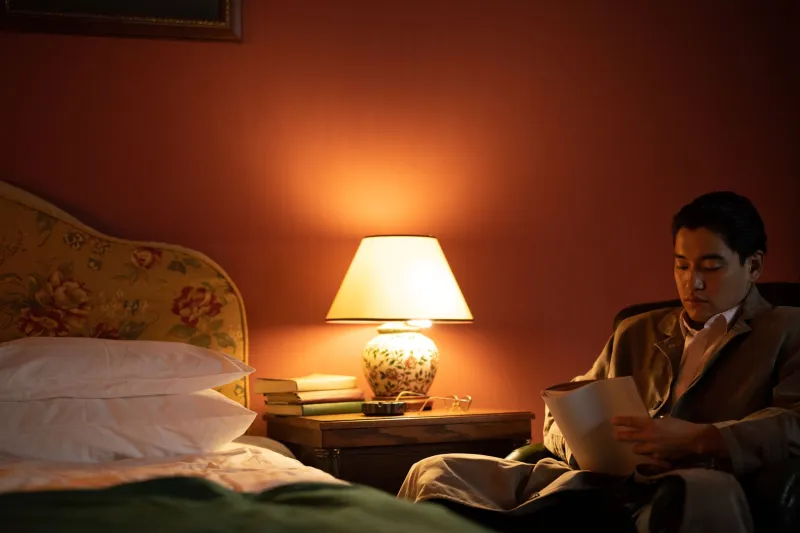
What boutique hotels understand, almost intuitively, is that the environment shapes the behavior. When a property is designed with deliberate intention — when the common areas invite conversation rather than solitude, when the lighting is warm rather than clinical, when the programming encourages guests to engage with the physical world around them — the phone becomes less necessary. Not because it has been taken away, but because something more compelling has taken its place.
Dr. Erin Vogel, a social psychologist who has written extensively on digital behavior, has noted that people are far more willing to disconnect when they feel the environment supports that choice. Boutique hotels, by offering analog alternatives that feel genuinely enriching rather than punitive, create exactly that kind of supportive context.
What Travelers Are Actually Saying
Speak to guests who have stayed at thoughtfully designed boutique properties, and a pattern emerges quickly. The initial hours of disconnection are almost universally described as uncomfortable. There is restlessness, a phantom-limb sensation of reaching for a device that has been deliberately set aside. But by the second day, something shifts.
Marissa, a marketing director from Chicago who spent four nights at a small heritage property in New Mexico, described the experience this way: "I kept thinking I needed to check something. And then I'd realize there was nothing urgent, there never really was, and I'd just sit with that feeling until it passed. By day three, I wasn't reaching for my phone at all. I was reading. I was actually talking to my husband at dinner."
That recalibration — the gradual replacement of digital reflex with genuine presence — is not accidental. It is the result of environments engineered to reward attention. Properties that stock their rooms with curated books, offer guided walks with local naturalists, or host evening storytelling sessions are not simply filling time. They are offering the nervous system something it has been quietly starved of: depth.
How Boutique Hotels Design for Disconnection
The mechanisms vary widely. Some properties limit WiFi availability to specific hours or specific areas of the building, making the library or the courtyard intentionally signal-free. Others offer what some hospitality professionals call "analog amenity kits" — boxes stocked with journals, watercolor sets, locally sourced teas, and handwritten suggestions for nearby walks. A growing number of boutique properties have introduced what they term "quiet hours," not silence exactly, but a collective agreement among guests to set devices aside during shared meals or evening programming.
At Shree Sai Hotel, the philosophy of timeless comfort is inseparable from this ethos. When a property is rooted in genuine hospitality rather than transactional service, the guest experience becomes less about consumption and more about restoration. The architecture of a well-considered boutique stay — the unhurried breakfast, the attentive but unobtrusive staff, the rooms that feel lived-in rather than staged — does much of the detox work before a guest ever consciously decides to unplug.
Practical Steps for Maximizing a Digital Detox During Your Stay
For travelers who want to be intentional about disconnecting, the following approaches have proven effective across a range of boutique hotel experiences.
Set expectations before you arrive. Inform colleagues, family members, and anyone else who might need to reach you that you will be minimally available. Designate a specific check-in window — perhaps thirty minutes in the morning — rather than remaining on-call throughout the day. The act of communicating your unavailability in advance removes the guilt of being unreachable.
Use the hotel's analog offerings deliberately. If the property provides a journal, use it. If there is a library, spend an hour there without an agenda. These are not nostalgic affectations; they are genuine tools for reorienting attention.
Leave your phone in the room during meals. This single habit, more than almost any other, changes the texture of a stay. Meals become occasions rather than interruptions.
Engage with the physical environment. Ask the front desk staff about a neighborhood walk that doesn't require a map application. Sit in the garden. Notice the architecture. Boutique hotels are frequently located in places with genuine character, and that character rewards the kind of attention that a screen cannot facilitate.
Resist the urge to document everything. The photograph taken to be shared is a fundamentally different experience from the moment simply observed. Allow some of what you encounter to remain private, stored only in memory.
The Permission You Didn't Know You Needed
The most honest thing that can be said about digital detox is this: most people already know they need it. What they lack is not information but permission. Boutique hotels, by creating environments where disconnection is normalized and even celebrated, offer that permission in a form that feels earned rather than imposed.
The world will not, in fact, end during the hours you spend reading by a window or lingering over a locally prepared meal. Your inbox will be there when you return. What may not be there — if you spend your entire trip refreshing it — is the rest you came for.