The Case for Checking In on a Tuesday: Reclaiming the Quiet Middle of the Week
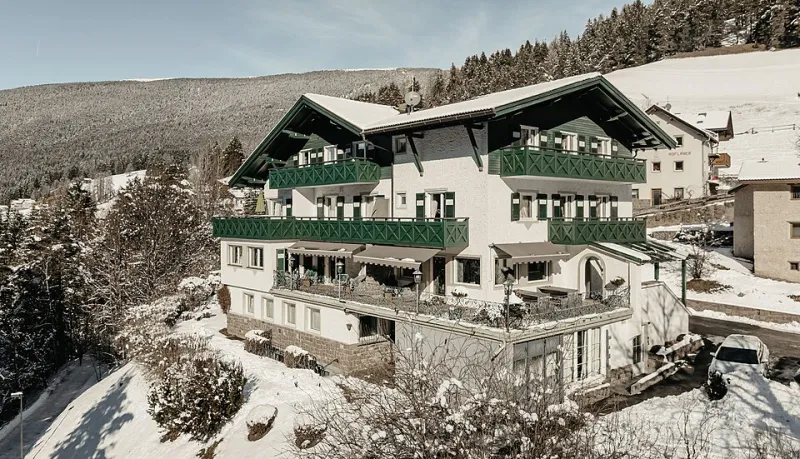
Photo: Enjoyvalgardena, CC0, via Wikimedia Commons
The American long weekend is a remarkable invention with a persistent flaw: everyone has it at the same time. Friday afternoon compresses the nation's travel into a few hours of highway and airport congestion; Saturday morning delivers every visitor in the region to the same trailhead, the same breakfast counter, the same historic district. By Sunday the trip has become a logistical exercise with a checkout time attached.
There is a simpler arrangement available to almost anyone with a modest degree of calendar flexibility, and it looks nothing like a weekend. It begins on a Tuesday.
The Long Weekend Doesn't Rest Anyone
A two-night weekend stay asks a great deal of the traveler. Time off work is compressed at one end; the return home is compressed at the other. The destination is at maximum occupancy for the exact hours you are there, which means queues at the coffee shop, a wait for the table, and a parking space found three streets away. The trip is brief, and every inefficiency is felt in proportion.
A Tuesday-to-Thursday stay of the same length does not add days. It removes friction. That is a smaller promise, and a far more reliable one.
Where the Savings Actually Appear
Midweek rate softening is the most cited advantage and the least interesting one, though it is real: properties that sell out on weekends often price Tuesday and Wednesday nights meaningfully lower, and the difference can fund the extra tank of gas or the better dinner. Ask directly rather than relying on the calendar display — several small hotels structure midweek offers as packages rather than standing discounts, and those packages are rarely advertised prominently.
The quieter advantage is availability of the good stuff. The corner room. The table by the window. The one guide who actually grew up in the county. Scarcity drives those decisions on a Saturday; on a Tuesday, someone can usually say yes.
Attention Is a Finite Resource
This is the argument that matters most, and it applies with particular force to boutique properties. A small hotel's defining asset is not its thread count or its espresso machine; it is the ratio of staff attention to guests. That ratio is a physical constraint. A front desk that can give each arrival ten unhurried minutes at half occupancy gives each arrival two minutes when the house is full.
On a Tuesday, the concierge has time to draw a map by hand. The cook can talk about what came in from the farm that morning. The housekeeper is not racing a turnover schedule that assumes every room empties at the same moment. None of this is a policy; it is arithmetic. Guests who want the version of hospitality that small hotels promise should consider arriving when the promise is affordable.
What a Half-Empty Town Feels Like
The destination changes as well. A museum gallery with six people in it is a different experience from the same gallery with sixty. A restaurant that is not turning tables lets you order the thing that takes twenty minutes longer. Shopkeepers have conversations. Trailhead parking exists.
There is also a subtler benefit for travelers interested in cultural exchange: the people you meet midweek are usually the people who live there. Weekend service staff in a resort town are often commuters themselves. The Tuesday bartender is more likely to be a neighbor.
Reworking the Calendar
Shifting the rhythm is less disruptive than it sounds.
- Trade two weekend days for three midweek days. Many employers are more flexible about a Tuesday and Wednesday than about a Friday, when everyone else is also trying to leave.
- Treat the travel day as part of the trip. A Tuesday morning departure with an afternoon arrival leaves the evening intact. A Friday evening flight leaves nothing intact.
- Book the return for Thursday night or Friday morning, before the weekend wave reverses direction.
- Protect the middle day. Wednesday should have one anchor — a market, a museum, a long walk — and nothing else scheduled.
- Check operating days. Some restaurants, galleries, and tours close early in the week. Build the itinerary around what is open, not what you wish were.
Seven Questions for a Midweek Booking
Ask these before you reserve. The answers will tell you whether the property is genuinely prepared for midweek guests or merely discounting empty rooms.
- Is the restaurant or breakfast service operating on all the nights of my stay?
- Are housekeeping and turndown schedules adjusted midweek, and will the room be serviced at the same standard?
- Are any amenities — spa, shuttle, bar — closed on Mondays or Tuesdays?
- Which local tours and attractions operate midweek, and can you book them for me?
- Is there a minimum-stay requirement attached to the midweek rate?
- If I arrive early in the afternoon, will the room be ready, or should I plan to leave bags?
- Does the midweek rate include the same inclusions as the weekend rate?
That last question is not pedantic. Some properties trim inclusions — the welcome amenity, the breakfast, the late checkout — when the rate drops. A fair comparison weighs the whole package.
Two Honest Cautions
First, midweek travel is not universally better. In some destinations the cultural life is concentrated on weekends: a Saturday market, a seasonal festival, a concert series. If the reason for the trip happens on Saturday, go on Saturday.
Second, small properties sometimes run leaner crews early in the week. Ask about staffing directly, and read recent reviews with an eye for comments about service rather than decor. A good hotel will tell you honestly what Tuesday looks like.
A Better Definition of a Good Trip
Most travel advice is about adding: more stops, more reservations, more photographs. The midweek stay is an argument for subtraction. Fewer people in the room. Fewer obligations on the calendar. Fewer minutes spent waiting in line, and more minutes spent in conversation with someone who knows the place.
For travelers who measure a hotel stay by how thoroughly they were looked after, the quiet middle of the week is not a compromise. It is the version of the trip that the hotel was designed to deliver.