Before the Doorknob Hanger, There Was the Table: How the Morning Meal Became a Boutique Hotel's Signature
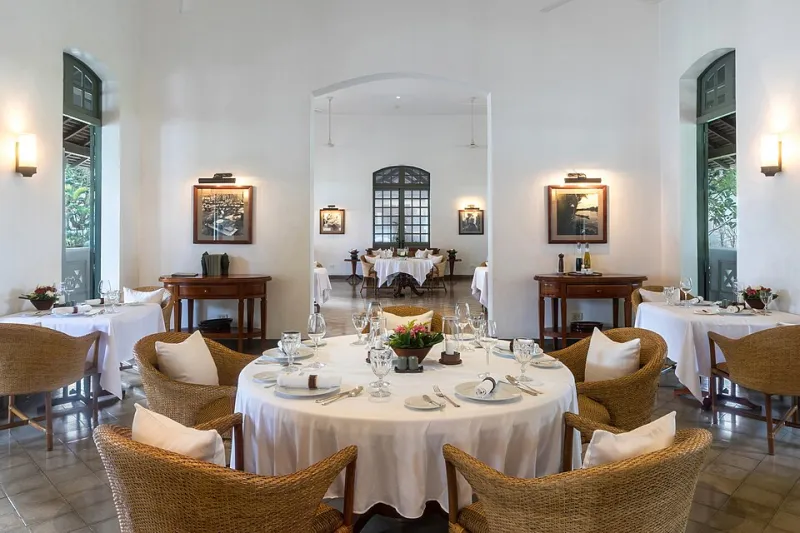
Photo: Basile Morin, CC BY-SA 4.0, via Wikimedia Commons
There is a moment, familiar to anyone who has stayed at a well-run independent hotel, that arrives somewhere between the second cup of coffee and the last warm biscuit: the realization that the meal downstairs has become the reason you will book this property again. Not the mattress. Not the rainfall shower. The breakfast.
At Shree Sai Hotel, we have long believed that the morning table is where a property's character is most honestly revealed. Anyone can source premium linens. Few can coax a family recipe into something a guest from Ohio will describe, unprompted, to their coworkers on Monday morning.
The Shift From Perk to Purpose
A decade ago, hotel breakfast in the United States was largely an afterthought — a continental spread of wax-wrapped pastries and institutional coffee, included out of obligation rather than conviction. The boutique segment changed that calculus. Freed from the economies of scale that govern large chains, small properties began treating the kitchen as a creative department rather than a cost center.
The result is a quiet renaissance. Chefs trained in full-service restaurants now run hotel kitchens with farmers-market sourcing and menus that rotate with the seasons. Guests notice. In informal surveys conducted across the boutique hospitality community, breakfast consistently ranks among the most memorable elements of a stay — and among the most photographed.
"Guests don't remember a room number," one innkeeper told us. "They remember the shakshuka."
What the Chefs Are Saying
We spoke with several kitchen professionals working in the independent hospitality space, and a common philosophy emerged: breakfast is the one meal where a hotel can showcase its geography without pretension.
A chef in the Pacific Northwest described her menu as "a map of the valley" — hazelnuts from a farm twelve miles away, honey from hives on the hotel's own roof. A Southern property sources its grits from a fourth-generation mill. In each case, the breakfast plate does something a brochure cannot: it makes the destination edible.
There is also a practical dimension. Breakfast is the one meal nearly every guest attends, at roughly the same hour, in a shared space. It is the natural convening point of a small hotel — the place where strangers exchange recommendations and hosts learn what their guests actually need. Many boutique operators now design their mornings around this fact, seating guests at communal tables and stationing staff nearby to answer the question every traveler asks: what should we do today?
A Mini-Guide to American Regional Breakfast Traditions
For travelers who plan their itineraries around the table, the United States offers a remarkable range of morning traditions. A few worth building a trip around:
The South: Biscuits, Gravy, and Grits. From Charleston to Memphis, the morning plate is a study in comfort — buttermilk biscuits under sausage gravy, stone-ground grits dressed with cheese or shrimp. Properties that mill their own cornmeal or bake on the hour are worth seeking out.
The Southwest: Huevos Rancheros and Breakfast Burritos. New Mexican kitchens treat red and green chile as a matter of identity. A hotel breakfast in Santa Fe or Tucson that takes its chile sauce seriously is telling you something true about the region.
New England: Anadama Bread and Maple Everything. Vermont and its neighbors turn maple syrup into a culinary season. Late-winter stays often coincide with sugaring operations, and some inns arrange visits to the evaporator before the first pour.
The Midwest: Kuchen and Kringle. German and Scandinavian settlement left a pastry legacy that persists in church basements and hotel kitchens alike — dense, fruit-studded, and utterly regional.
The Pacific Coast: Avocado, Citrus, and Sourdough. California's breakfast identity is agricultural abundance: heirloom tomatoes in July, Meyer lemons in January, and sourdough cultures older than the state itself.
Booking by the Menu
A growing number of American travelers now treat the breakfast menu as a booking criterion, reading it the way they once read pillow menus or spa lists. It is a reasonable heuristic. A hotel that invests in its morning kitchen — that names its farms, trains its line cooks, and refuses to serve anything from a bag — is signaling a broader philosophy of care.
When evaluating a property, consider these markers:
- A menu that changes with the season, not a laminated card frozen in time
- Named local suppliers, ideally with some specificity about distance
- Made-from-scratch staples: breads, jams, granola, and condiments prepared on site
- Staff who can tell you where your eggs came from without checking a binder
- Seating that encourages conversation rather than isolation
The Lasting Impression
The economics of hospitality often push breakfast toward compromise. The properties that resist that pressure understand something essential: the morning meal is the guest's first and last taste of the stay, literally and figuratively. It sets the emotional temperature of the day and colors the memory that follows checkout.
At Shree Sai Hotel, we think of breakfast as the most honest room in the house. Everything a property believes about hospitality — generosity, provenance, attention to detail — shows up on the plate. Travelers who learn to read the morning table will find that it tells them more about a hotel than any star rating ever could.