Four Paws at the Front Desk: The Real Story Behind America's Pet-Friendly Hotel Boom
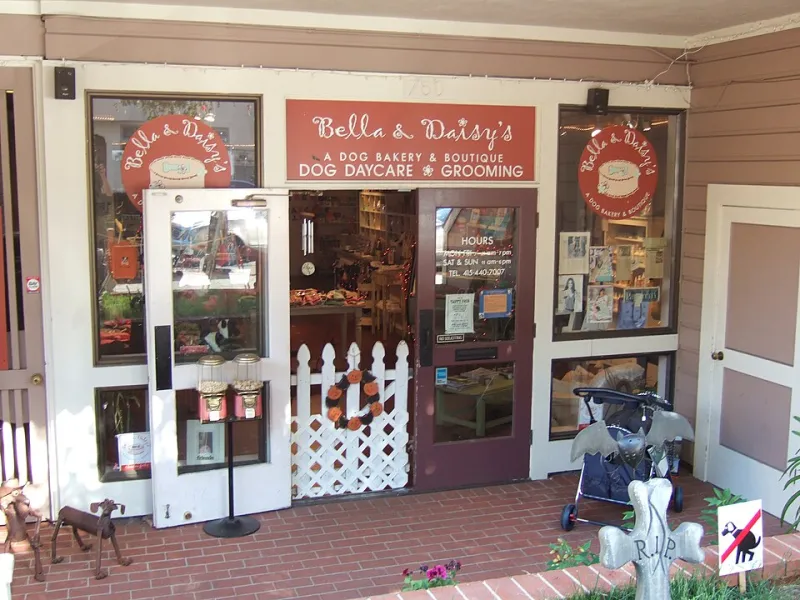
Photo: Edward, Public domain, via Wikimedia Commons
The numbers tell a straightforward story: American pet ownership has climbed steadily over the past decade, and travel patterns have followed. Surveys from industry groups consistently show that a majority of dog owners now consider their pets when planning vacations, and a meaningful share have declined trips because suitable lodging could not be found. The hospitality industry has heard them. What has changed most recently is not whether hotels accept pets, but how thoughtfully they do so.
From Grudging Acceptance to Genuine Welcome
For years, the standard pet policy consisted of a fee, a weight limit, and an implicit apology. The boutique segment has redefined the category. Walk into a well-run independent hotel today and the welcome may include a jar of house-baked biscuits at the front desk, a loaner water bowl in the lobby, and a staff member who greets the dog by name before the owner has finished checking in.
The distinction matters. A token policy tolerates the animal; genuine pet hospitality anticipates it. The former treats the dog as a liability to be surcharged. The latter recognizes that the dog is often the reason for the trip — and that the owner's loyalty follows directly from how the animal is treated.
What Thoughtful Properties Are Doing
The most committed small hotels have moved well beyond the basics. Among the touches travelers report most frequently:
Dedicated sleeping arrangements. Not a towel on the floor, but an actual dog bed — often sized for large breeds, sometimes with a washable cover and a spare blanket.
Treat turndowns. Borrowing from the evening turndown ritual, some properties leave a small treat and a note at the door alongside the chocolate the humans receive.
Vetted local partnerships. The best properties maintain relationships with nearby groomers, daycares, and pet-sitters, so a guest attending a wedding or a long dinner can rely on competent care without a frantic search.
Practical infrastructure. Designated relief areas with waste stations, towels by the door for muddy paws, and room layouts that anticipate a crate or a wet dog after a rainy hike.
Honest policies. Clear, published rules about where pets may and may not go — enforced consistently, which protects both allergic guests and anxious animals.
The Business Logic Behind the Biscuits
Hoteliers are not acting out of pure sentiment. Pet-friendly inventory remains limited in many markets, which allows properties that do it well to command loyalty and, in some cases, a modest premium. Guests with pets tend to book repeat visits, write detailed reviews, and refer other pet-owning travelers — a self-reinforcing cycle that small properties are unusually well positioned to benefit from.
There is also a demographic reality. Younger American travelers increasingly structure their lives around their animals, and they read a hotel's pet policy as a proxy for its overall temperament. A property that greets a dog warmly is presumed to handle people well, too. That inference is not always fair, but it is widespread — and it shapes bookings.
A Traveler's Checklist: Separating the Real From the Rhetorical
Before booking, discerning pet parents should verify a few specifics that marketing language often obscures:
- Is there a fee, and what does it cover? A reasonable fee with clear inclusions beats a low fee with surprise charges for cleaning or damage.
- Are there breed or size restrictions? Some policies quietly exclude the very dogs most likely to travel.
- Is the room actually pet-designated? Ask whether the animal will stay in a room that has never housed a pet, or one rotated through the pet inventory.
- What happens when you leave the room? Housekeeping policies vary widely; the best properties offer a schedule that accommodates a dog's presence.
- Is outdoor space genuine? A strip of gravel beside the parking lot is not a relief area. Ask for specifics.
- Are local partners vetted? If the hotel lists a sitter or daycare, ask how the relationship was established.
- Does the staff seem comfortable? A property where the front desk flinches at a leash has told you everything you need to know.
The Deeper Signal
At Shree Sai Hotel, we believe the way a property treats the most vulnerable member of a traveling party — the one who cannot fill out a comment card — reveals its fundamental character. Pet hospitality, done honestly, is not an amenity category. It is an extension of the same philosophy that produces warm welcomes, remembered names, and genuine local knowledge.
For travelers whose dogs are family, that philosophy is not a nicety. It is the difference between a room that permits a pet and a stay that includes one.